Persistent Stress: Causes and Natural Management Strategies Unveiled
05/01/2026
3 min de lectura
2 lecturas

Understanding Persistent Stress: Causes and Natural Solutions
- What is Stress?
- Causes of Persistent Stress
- Natural Ways to Manage Stress
- Common Misconceptions about Stress
- Frequently Asked Questions
What is Stress?
Stress is a natural response of the body to perceived threats or challenges. It can manifest physically, emotionally, or mentally, and is a normal part of life. The body's reaction, known as the "fight or flight" response, prepares us to face or flee from danger. However, when stress becomes chronic, it can impact our health negatively.Causes of Persistent Stress
Persistent stress can arise from various sources, often linked to our daily life and environment. Here are some common causes:- Work-related pressure: Deadlines, demanding bosses, or lack of job security can lead to ongoing stress.
- Financial worries: Concerns about money, debts, and budgeting can create continuous anxiety.
- Personal relationships: Conflicts with family, friends, or partners can be a significant source of stress.
- Health issues: Dealing with chronic illnesses or the health of loved ones can contribute to stress.
- Lack of time: Feeling overwhelmed by responsibilities and not having enough time to relax can maintain high stress levels.
Natural Ways to Manage Stress
While stress is unavoidable, managing it effectively is crucial for maintaining a healthy body and mind. Here are some natural methods to help reduce stress:Exercise Regularly
Engaging in physical activity can significantly reduce stress. Exercise releases endorphins, which are chemicals in the brain that act as natural painkillers and mood elevators. Whether it's a brisk walk, yoga, or a gym session, incorporating exercise into your routine can help manage stress levels.Practice Mindfulness
Mindfulness involves being present in the moment and can be practiced through meditation, deep breathing, or simple observation. It helps in reducing anxiety and promotes relaxation. Spending a few minutes each day in mindfulness can make a significant difference.Maintain a Balanced Diet
Eating a well-balanced diet rich in fruits, vegetables, lean proteins, and whole grains can help improve your body's resilience to stress. Avoiding excessive caffeine and sugar can also prevent stress levels from spiking.Ensure Adequate Sleep
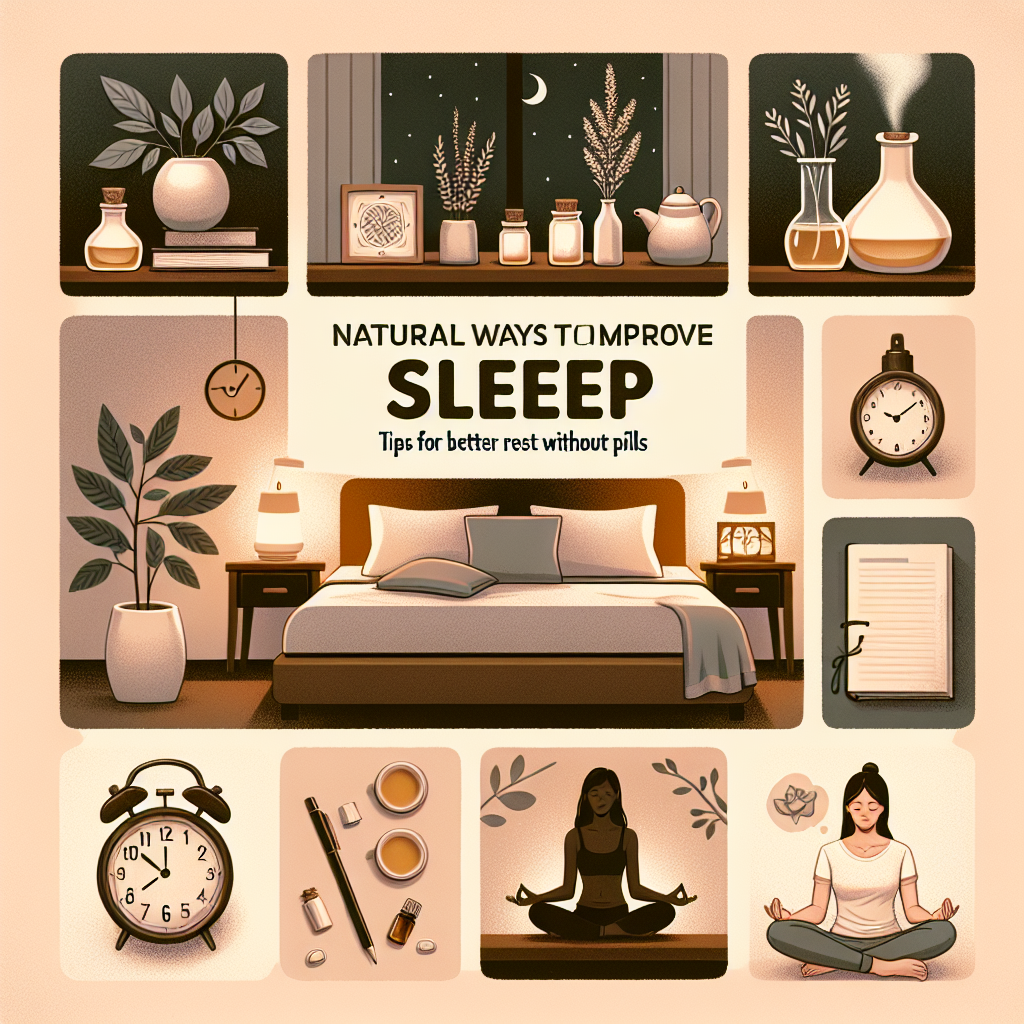
Getting enough restful sleep is essential for stress management. Aim for 7-9 hours of quality sleep per night. Establishing a regular sleep routine and creating a calming bedtime environment can enhance sleep quality.Connect with Others
Talking to friends, family, or support groups can provide emotional support and help alleviate stress. Sharing your experiences and feelings can offer new perspectives and solutions to problems.Common Misconceptions about Stress
There are several myths about stress that can hinder effective management:- Myth: Stress is always bad. Reality: While chronic stress can be harmful, short-term stress can motivate and enhance performance.
- Myth: Only major events cause stress. Reality: Everyday challenges and minor hassles can accumulate and lead to significant stress.
- Myth: Stress management requires drastic lifestyle changes. Reality: Small, consistent changes can effectively reduce stress.