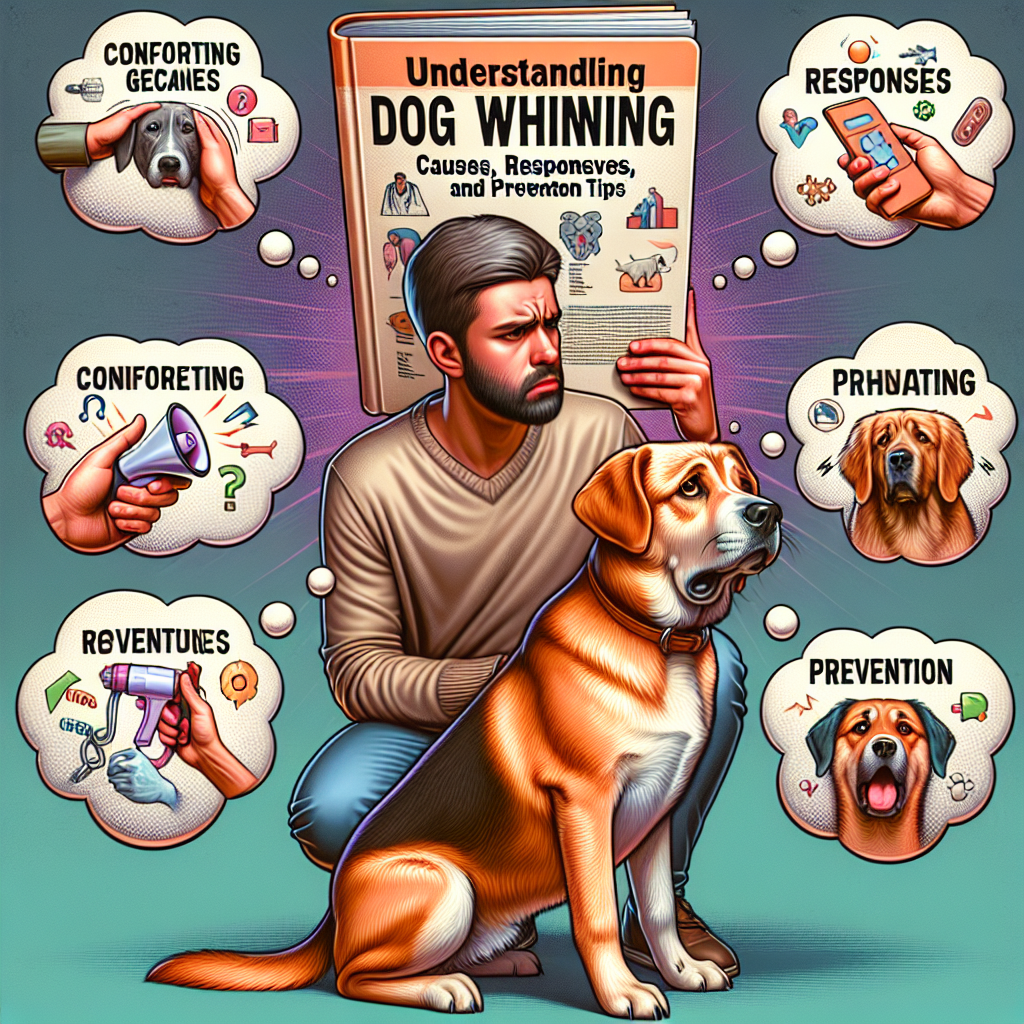
Understanding Dog Whining: Causes, Responses, and Prevention Tips
05/01/2026
3 min de lectura
1 lecturas
Understanding Why Your Dog Whines: Uncovering the Mystery
- Why Do Dogs Whine?
- Common Situations When Dogs Whine
- How to Respond to Your Dog's Whining
- Preventive Measures to Reduce Whining
- Frequently Asked Questions
Why Do Dogs Whine?
Whining is a common form of communication for dogs, just like barking or growling. However, it can be puzzling when your dog seems to whine for no apparent reason. Understanding the causes of whining is crucial for addressing it effectively. Dogs may whine due to physical discomfort, emotional distress, or even out of habit. It's important to observe your dog's behavior and environment to identify potential triggers. By recognizing these, you can better respond to their needs and provide appropriate comfort or intervention.Common Situations When Dogs Whine
Seeking Attention
One of the most frequent reasons dogs whine is to seek attention. If your dog notices that whining results in petting or treats, they might use it as a tool to get what they want. Pay attention to when and where this occurs to determine if attention-seeking is the root cause.Expressing Discomfort
Whining can also signal discomfort or pain. Look for other signs such as limping, licking a specific area, or changes in appetite. If you suspect your dog is in pain, consult with a veterinarian to rule out any medical issues.Communicating Anxiety or Stress
Dogs might whine when they feel anxious or stressed. This is common during thunderstorms, fireworks, or when left alone. Providing a safe space or comforting items can help alleviate some of their anxiety.How to Respond to Your Dog's Whining
Responding appropriately to your dog's whining is essential. It involves a balance between ensuring their needs are met and not reinforcing negative behavior.Identify the Cause
Before reacting, try to identify the reason behind the whining. Consider your dog's environment, recent changes, and routine. If the cause is clear, address it directly.Provide Reassurance Without Reinforcement
Offer reassurance when necessary, but avoid giving attention solely to stop the whining, as this might encourage the behavior. Instead, wait for a moment of silence before rewarding your dog with attention or treats.Establish a Routine
Dogs thrive on routine. Regular feeding, exercise, and rest times help them feel secure, which can reduce whining caused by anxiety or uncertainty.Preventive Measures to Reduce Whining
Preventing excessive whining involves understanding your dog's needs and ensuring they are met consistently. Here are some strategies to help:- Socialization: Regular social interaction with other dogs and people can reduce anxiety-related whining.
- Training: Basic obedience training can help manage behaviors and provide mental stimulation.
- Exercise: Ensure your dog gets enough physical activity to prevent boredom and release excess energy.
- Enrichment Activities: Engage your dog with puzzle toys or scent games to keep their mind active.